Engineering Insights into Gearbox Design for Better Maintenance
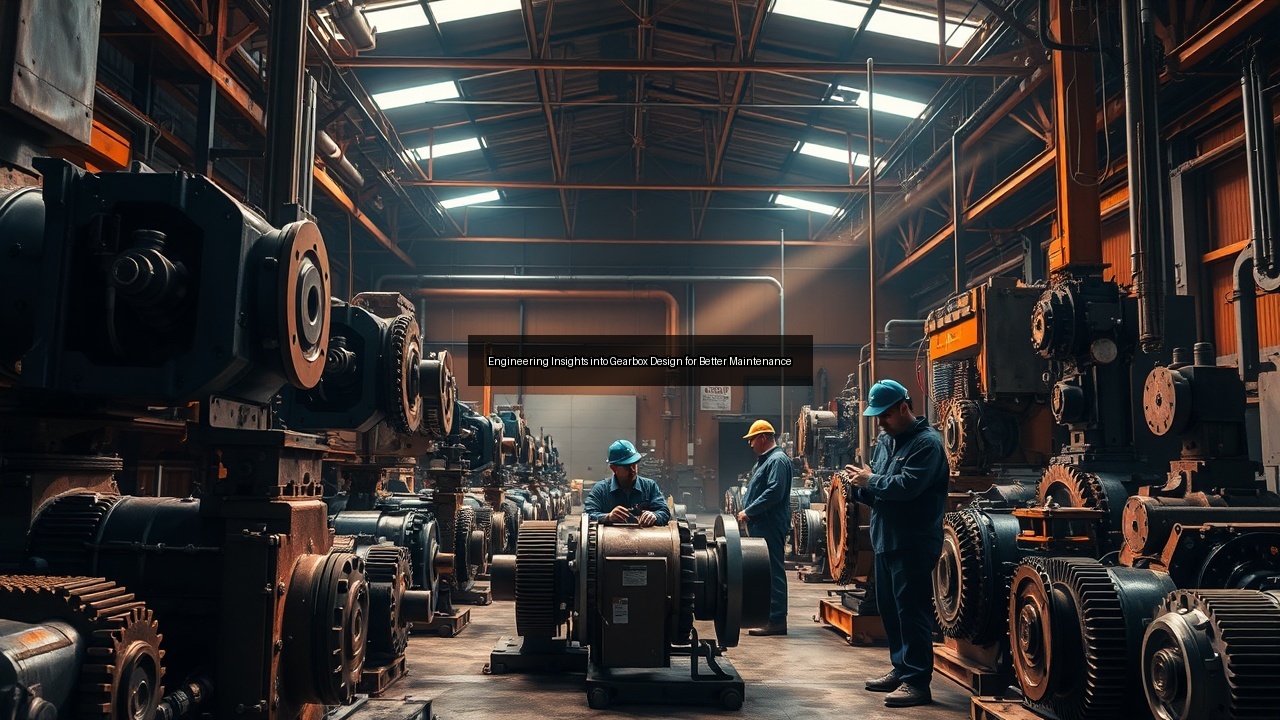
Understanding Gearbox Design and Functionality
The Role of Gearboxes in Power Transmission
Gearboxes play a crucial role in power transmission within various industrial applications. They convert input speed and torque from motors into the desired output speed and torque, ensuring that machines operate efficiently. The design of a gearbox directly impacts its ability to transmit power effectively while minimizing energy loss. A well-designed gearbox can enhance the efficiency of mechanical systems, leading to reduced operational costs and improved overall performance. In industries ranging from manufacturing to automotive, the importance of gearboxes cannot be overstated, as they serve as the backbone of power transmission systems. Proper engineering and maintenance are essential for ensuring these systems function optimally.
Types of Gearboxes: An Overview
Understanding the various types of gearboxes is essential for effective industrial gearbox maintenance. Common types include worm gear, helical gear, bevel gear, and planetary gearboxes, each with unique characteristics suited for specific applications. Worm gearboxes excel in applications requiring high torque and compact design, making them ideal for situations where space is limited. Helical gearboxes, known for their smooth operation and efficiency, are prevalent in high-speed applications. Bevel gearboxes provide angular power transmission and are used in diverse machinery. Planetary gearboxes offer high torque density and are used in applications requiring precise speed control. Choosing the right type of gearbox ensures optimal performance and longevity.
Key Components of Gear Design and Efficiency
The efficiency of a gearbox depends on its design and the materials used in its construction. Key components include gears, bearings, shafts, and housings. The gearing design influences how power is transmitted and affects efficiency. For instance, gear teeth must be meticulously designed to ensure smooth engagement and minimize wear. High-quality materials, such as hardened steel or specialized alloys, enhance durability and reduce the likelihood of failures. Engineers also focus on the geometry of the gears, as this can significantly affect the gearbox's ability to handle loads and maintain efficiency over time. Optimizing these components leads to reduced friction and improved overall performance in industrial gearbox applications.
Challenges in Industrial Gearbox Maintenance
Common Failures and Their Causes
Industrial gearboxes often face common failures that can disrupt operations and lead to costly downtime. Common issues include gear wear, bearing failure, and lubrication breakdown. Gear wear typically results from inadequate lubrication, leading to increased friction and heat, which ultimately damages the gears. Bearing failure may occur due to misalignment, contamination, or fatigue, causing significant disruptions in power transmission. Understanding the root causes of these failures is vital for developing effective maintenance strategies. Regular inspections, condition monitoring, and preventative measures can help identify potential issues before they escalate, ensuring the gearbox remains functional and efficient.
Impact of Environment on Gearbox Performance
The operating environment industrial gearbox service significantly influences gearbox performance and longevity. Dust, moisture, and temperature fluctuations can adversely affect gearbox efficiency and increase the likelihood of failures. In harsh industrial settings, dust and debris can enter the gearbox housing, leading to contamination of the lubricant and accelerated wear of components. Furthermore, extreme temperatures can alter the viscosity of lubricants, impairing their protective qualities. Engineers must consider these environmental factors when designing gearboxes and implementing maintenance routines. Utilizing sealed enclosures, high-quality filters, and temperature monitoring can mitigate these risks and enhance the reliability of industrial gearboxes.
The Importance of Vibration Analysis in Maintenance
Vibration analysis serves as a critical tool in industrial gearbox maintenance, providing insights into the health of the gearbox and its components. By monitoring vibration patterns, engineers can detect imbalances, misalignments, or wear that may lead to failures. Early identification of these issues allows for timely intervention, reducing the risk of catastrophic breakdowns and associated downtime. Implementing a vibration monitoring program as part of the maintenance routine enables experts to establish baseline vibration levels and detect deviations over time. This proactive approach not only enhances the reliability of gearboxes but also extends their operational lifespan, ultimately leading to improved efficiency and reduced repair costs.
Best Practices for Gearbox Maintenance
Routine Maintenance Strategies for Longevity
Routine maintenance strategies play a pivotal role in ensuring the longevity and efficiency of gearboxes. Regular inspections should encompass visual checks for leaks, signs of wear, and proper alignment. Implementing a detailed maintenance schedule that outlines specific tasks, such as lubrication changes and component inspections, helps streamline the process. Engaging in predictive maintenance practices, such as monitoring temperature and vibration, allows for timely interventions before issues escalate. Additionally, training personnel on gearbox maintenance best practices ensures that all team members understand the importance of their roles in prolonging gearbox life. This proactive approach results in industrial gearbox service enhanced performance and reduced operational interruptions.
Lubrication Techniques for Optimal Performance
Proper lubrication significantly impacts gearbox performance and longevity. Selecting the right lubricant based on the gearbox's design and operating conditions is essential. Engineers must consider factors such as load, speed, and temperature when choosing lubricants. Regularly scheduled lubrication intervals ensure that components remain properly coated, minimizing friction and wear. Techniques such as automatic lubrication systems can provide consistent application while reducing the risk of human error. Additionally, monitoring lubricant quality and levels can prevent breakdowns caused by contamination or depletion. Adopting effective lubrication practices directly correlates with improved gearbox efficiency and operational reliability.
Monitoring Torque and Speed for Efficiency
Monitoring torque and speed is vital for maintaining optimal gearbox efficiency. These parameters provide insights into how well the gearbox operates under varying loads and conditions. Regularly measuring torque allows engineers to identify potential overloads or inefficiencies that may lead to failures. Speed monitoring ensures that gearboxes operate within their designed parameters, preventing unnecessary strain on components. Implementing advanced monitoring technologies, such as torque transducers and speed sensors, facilitates real-time data collection and analysis. This information empowers engineers to make informed decisions regarding maintenance and performance optimization, ultimately enhancing the reliability and efficiency of industrial gearboxes.
Leveraging Technology for Enhanced Maintenance
Innovations in Gearbox Design for Reduced Downtime
Advancements in gearbox design directly contribute to reduced downtime and improved maintenance outcomes. Engineers are increasingly utilizing innovative materials and manufacturing techniques to create robust gearboxes capable of withstanding demanding conditions. For instance, additive manufacturing enables the production of complex geometries that enhance performance and efficiency. Additionally, the integration of smart sensors within gearboxes allows for real-time monitoring of key performance indicators. These innovations facilitate predictive maintenance, enabling industries to anticipate and mitigate potential failures before they occur. As technology continues to evolve, engineers must remain at the forefront of these developments to enhance gearbox design and maintenance strategies.
The Role of Engineers in Implementing Maintenance Technologies
Engineers play a vital role in the successful implementation of maintenance technologies for industrial gearboxes. Their expertise allows them to evaluate which technologies best suit specific applications and environments. By collaborating with maintenance teams, engineers can design tailored solutions that address unique operational challenges. Training staff on new technologies and best practices ensures a seamless transition and maximizes the benefits of these innovations. Additionally, engineers must continuously assess the effectiveness of maintenance technologies, making adjustments as necessary to optimize performance. A proactive approach to technological integration enhances gearbox reliability and operational efficiency while minimizing downtime.
Future Trends in Industrial Gearbox Maintenance
The future of industrial gearbox maintenance lies in the integration of advanced technologies and data analytics. Predictive maintenance powered by artificial intelligence and machine learning will become increasingly prevalent, allowing for more accurate forecasts of equipment health. As industries adopt the Internet of Things (IoT), interconnected devices will facilitate real-time monitoring and data sharing, leading to more informed maintenance decisions. Furthermore, developments in materials science may yield lighter, stronger gearboxes that require less maintenance. Staying ahead of these trends will enable engineers and maintenance teams to optimize gearbox performance and efficiency while minimizing downtime and operational disruptions.