CNC Machining Unleashing the Power of HMC in High-Volume Applications
Understanding HMC Machining Technologies
What is HMC Machining?
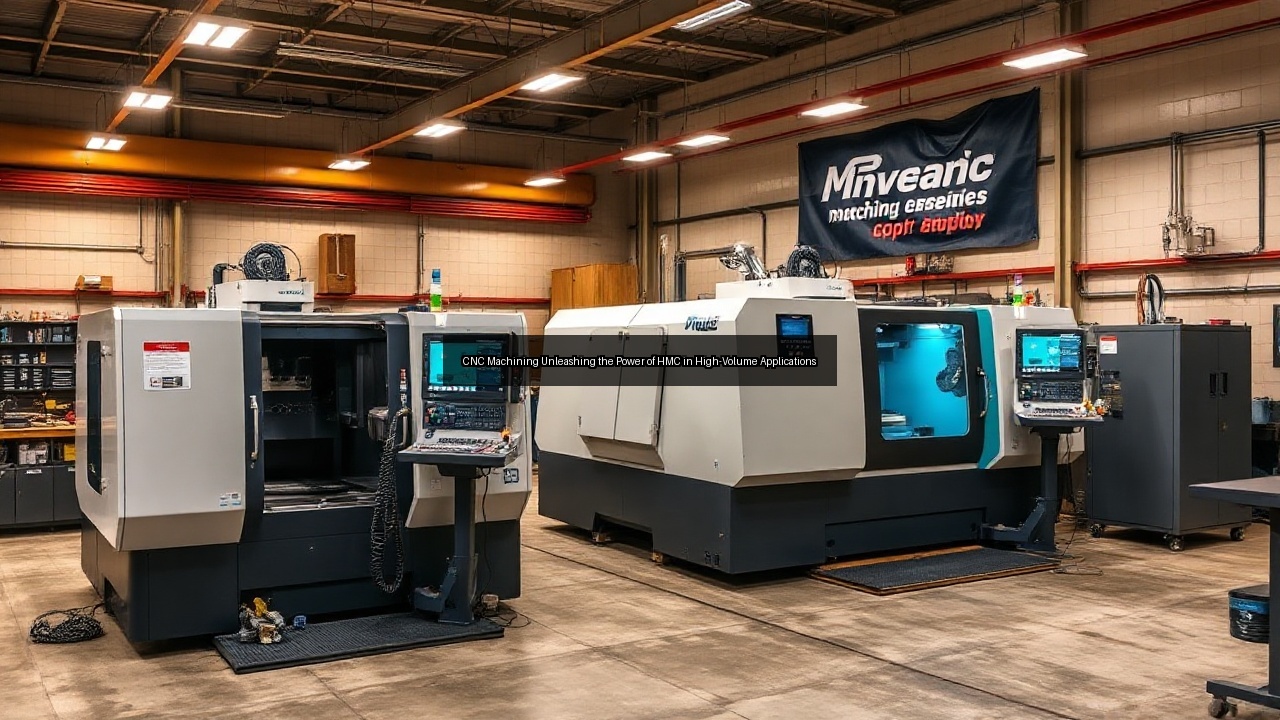
HMC machining centers feature a horizontal spindle orientation that positions the cutting tool parallel to the worktable. This setup excels in chip removal during continuous operations and supports multi-sided part access without frequent repositioning. Manufacturers rely on hmc machining services to handle complex geometries in metals where gravity assists with debris clearance. The design reduces operator intervention and maintains consistent accuracy across long runs. Shops integrate these centers into cnc machining workflows to boost throughput while minimizing thermal distortion in the workpiece. Horizontal configurations also permit larger tool magazines that extend unattended production cycles for high-volume orders.
Key Features of HMC Machining Centers
Modern hmc machining centers incorporate automatic pallet changers that swap fixtures in seconds, enabling seamless transitions between jobs. Rigid cast-iron frames dampen vibration during aggressive milling operations on tough alloys. Advanced cnc controls coordinate four or five axes simultaneously, allowing intricate contours without manual adjustments. Coolant-through-spindle systems deliver fluid directly to the cutting zone, prolonging tool life and improving surface finishes. Many units include probing systems that verify part alignment before machining begins. These features combine to deliver repeatable precision that conventional vertical setups struggle to match in demanding environments.
Advantages of HMC Over Traditional Machining
HMC machining technologies outperform traditional vertical mills by providing superior chip evacuation that prevents recutting and heat buildup. The horizontal layout grants better access to multiple part faces in a single setup, reducing cycle times significantly. Machine shops report higher metal removal rates because the spindle can employ larger cutters without deflection concerns. Operators experience less downtime from chip accumulation, which translates directly into increased productivity. In addition, the enclosed design improves safety and contains coolant mist more effectively than open-frame machines. These benefits make hmc machining services the preferred choice when scaling production volumes.
Applications of HMC Machining in High-Volume Production
Industries Leveraging HMC Machining Services
Automotive suppliers use hmc machining services to produce engine blocks and transmission housings at rates exceeding thousands of units weekly. Aerospace contractors machine structural brackets and landing-gear components where tight tolerances and high material removal define success. Medical device manufacturers apply the same centers to create implant fixtures from titanium and cobalt-chrome alloys. Heavy equipment builders rely on horizontal centers for hydraulic manifolds that require deep pocket milling. Each sector benefits from the pallet-changing capability that keeps spindles cutting while operators load fresh workpieces.
High-Volume Parts Manufacturing: Case Studies
One transmission plant installed two hmc machining centers and reduced cycle time on aluminum valve bodies by 38 percent. The machines ran 22 hours daily with only two operators overseeing the cell. Another contract manufacturer switched from vertical mills to horizontal centers for steel brackets and doubled monthly output without adding floor space. These examples illustrate how cnc machining centers equipped with horizontal spindles deliver measurable gains in parts manufacturing. Consistent quality also lowered scrap rates, improving overall profitability across the production floor.
Machining Solutions for Power Generation Components
Power generation facilities demand large valve bodies and turbine housings machined from heat-resistant alloys. HMC machining technologies handle these oversized parts through robust workholding and extended tool reach. Shops provide machining solutions that combine roughing passes with finish milling in one setup, preserving dimensional integrity. Integrated cnc technology monitors tool wear in real time, preventing costly interruptions during critical component runs. The result supports just-in-time delivery schedules for generators that must remain online without extended downtime.
The Role of CNC Technology in HMC Machining
Integration of CNC in HMC Machining
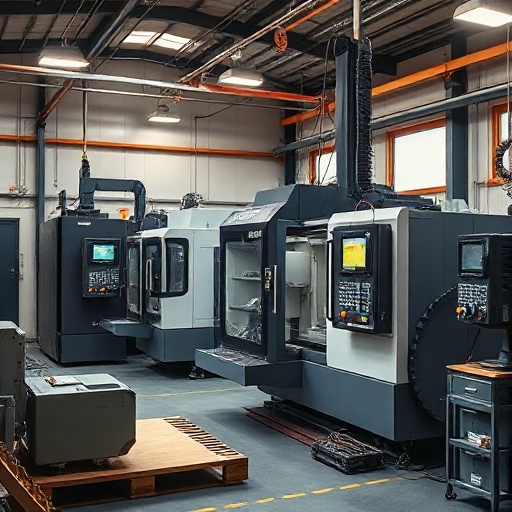
CNC technology transforms hmc machining centers into flexible production assets by storing hundreds of programs that operators recall instantly. Touchscreen interfaces allow quick adjustments to feed rates and offsets without halting the machine. Network connectivity enables remote monitoring of spindle loads and cycle progress from a central office. This integration supports lights-out manufacturing where hmc machining services run overnight with minimal supervision. Data collection also feeds predictive maintenance schedules that prevent unexpected breakdowns during peak demand periods.
Enhancing Precision with CNC Milling Machines
CNC milling machines mounted on horizontal platforms achieve micron-level repeatability through closed-loop feedback systems. Linear scales track axis positions continuously while thermal compensation routines adjust for temperature fluctuations. High-speed spindles paired with balanced tooling produce fine finishes on critical sealing surfaces. Manufacturers achieve tighter geometric tolerances on gears and manifolds because the rigid structure resists cutting forces that deflect vertical spindles. These capabilities make precision machining a reliable outcome rather than an occasional result.
Comparing CNC Mills and Conventional Milling Machines
Conventional milling machines require constant manual intervention for speed changes and tool offsets, limiting throughput in high-volume settings. CNC mills execute complex tool paths automatically and maintain consistent feed rates across entire batches. Operators on cnc equipment focus on setup and inspection rather than constant adjustments. The digital control also eliminates human error in coordinate calculations, yielding parts that match CAD models exactly. Shops upgrading from manual machines to cnc milling centers typically record immediate productivity improvements that justify the investment within months.
Maximizing Productivity with HMC Machining Services
Strategies for Improving Efficiency in Machine Shops
Effective machine shops group similar parts into families that share fixtures and tooling on hmc machining centers. Standardized setup sheets reduce changeover time from hours to minutes. Implementing quick-change workholding further compresses idle periods between runs. Managers track overall equipment effectiveness daily and adjust schedules to balance spindle utilization across multiple centers. These disciplined approaches turn hmc machining services into reliable profit centers rather than cost centers.
The Impact of Metrology on HMC Machining
Metrology integration begins with in-machine probing that verifies datum surfaces before cutting starts. Post-process inspection stations equipped with coordinate measuring machines confirm critical dimensions immediately after machining. Statistical process control charts reveal trends that allow operators to correct offsets before parts drift out of tolerance. This closed-loop approach minimizes scrap and supports the high yields required in high-volume production. Accurate metrology data also validates the performance claims of hmc machining technologies during customer audits.
Fabrication Techniques for High-Volume Gear Production
Fabrication of gears on horizontal centers combines milling of tooth profiles with drilling of mounting holes in a single setup. Indexers rotate the workpiece precisely between operations, eliminating transfer errors. Carbide end mills and form cutters remove material efficiently from hardened blanks while maintaining profile accuracy. Shops combine these techniques with automated loading systems to sustain continuous gear output. The resulting parts meet AGMA quality standards without secondary grinding operations in many cases.
Future Trends in HMC Machining and Automation
Emerging Technologies in CNC Machining
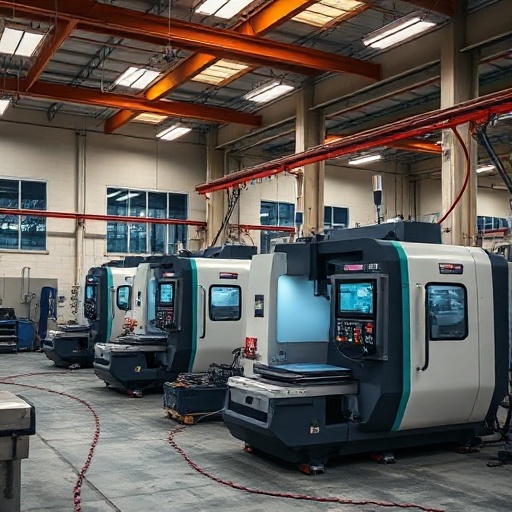
Artificial intelligence algorithms now optimize cutting parameters on hmc machining centers by analyzing spindle power and vibration signatures in real time. Additive hybrid machines deposit material before milling it to final shape, reducing raw stock requirements. Five-axis configurations with tilting spindles expand the range of geometries that horizontal centers can produce without additional fixtures. These emerging technologies continue to raise the bar for what cnc machining services can accomplish in demanding applications.
The Shift Towards Smart Manufacturing
Smart manufacturing connects hmc machining centers to factory-wide networks that coordinate material flow and tool inventory automatically. Digital twins simulate production runs before actual machining begins, identifying potential collisions or cycle bottlenecks. Augmented reality overlays guide technicians through maintenance procedures with step-by-step visuals. The shift improves responsiveness to customer changes while maintaining the reliability that high-volume manufacturing demands.
Sustainability in HMC Machining: Made in the USA
Manufacturers pursuing sustainability focus on energy-efficient spindles and high-pressure coolant systems that recycle fluid at high rates. Made in the USA initiatives emphasize local sourcing of castings and components, shortening supply chains and reducing transportation emissions. Dry machining trials with advanced coatings lower coolant consumption without sacrificing tool life. These practices align productivity goals with environmental responsibility, strengthening the competitive position of domestic hmc machining services in global markets.